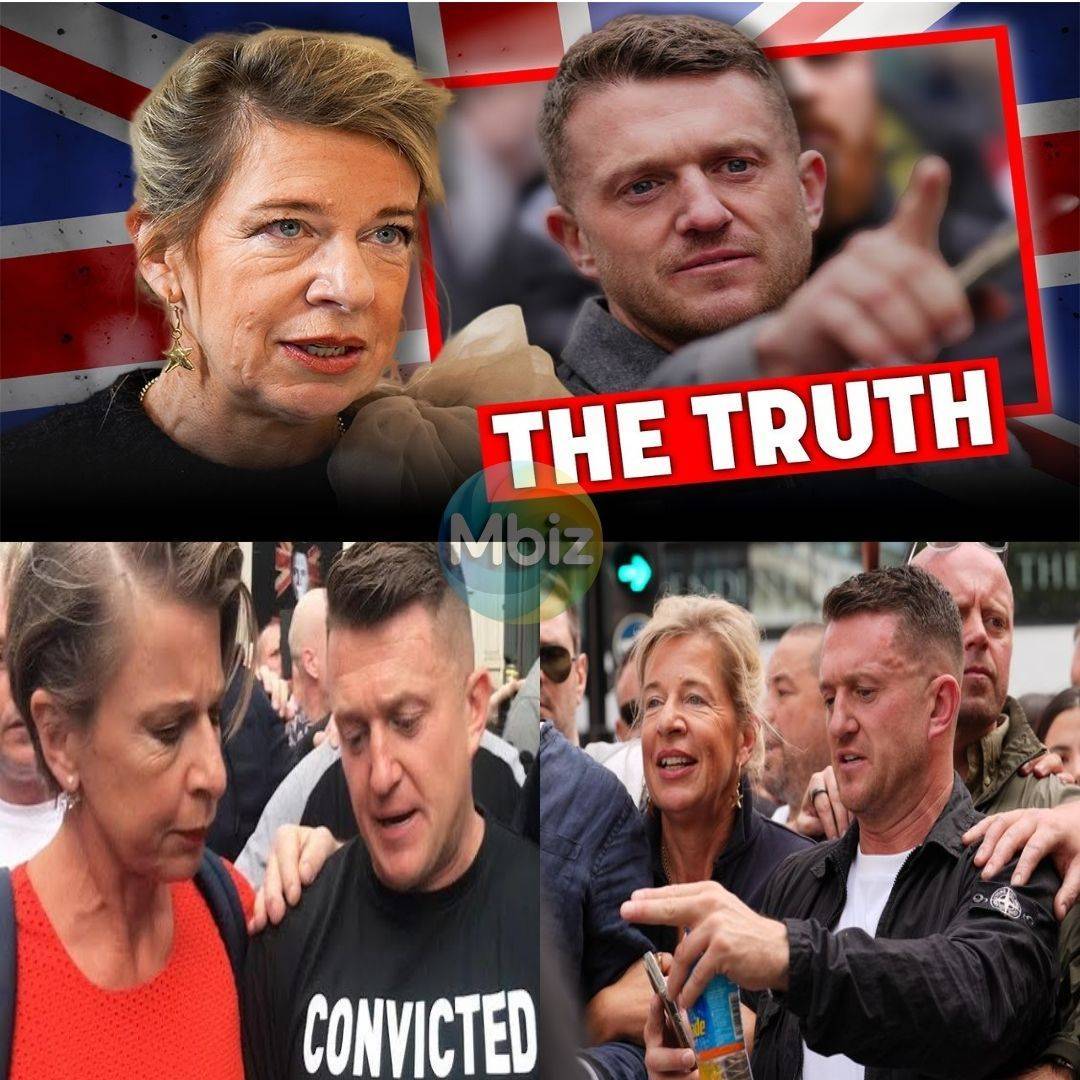
Katie Hopkins has ignited a firestorm of controversy with her recent remarks on Tommy Robinson, praising his Unite the Kingdom rally as a monumental event in British history. Her passionate defense of Robinson, amidst claims of low attendance, underscores a growing divide in public opinion, raising questions about the future of political discourse in the UK.
 During a candid discussion, Hopkins expressed her admiration for Robinson’s ability to orchestrate a massive rally in London, despite facing significant opposition. She highlighted the logistical challenges he overcame, from securing a venue to managing sound issues, all while rallying a passionate crowd.
Hopkins recounted the emotional experience of witnessing thousands of supporters flooding the capital, emphasizing the sense of unity and purpose that permeated the event. Her vivid description painted a picture of a city alive with energy, showcasing Robinson as a figure who could galvanize public sentiment.
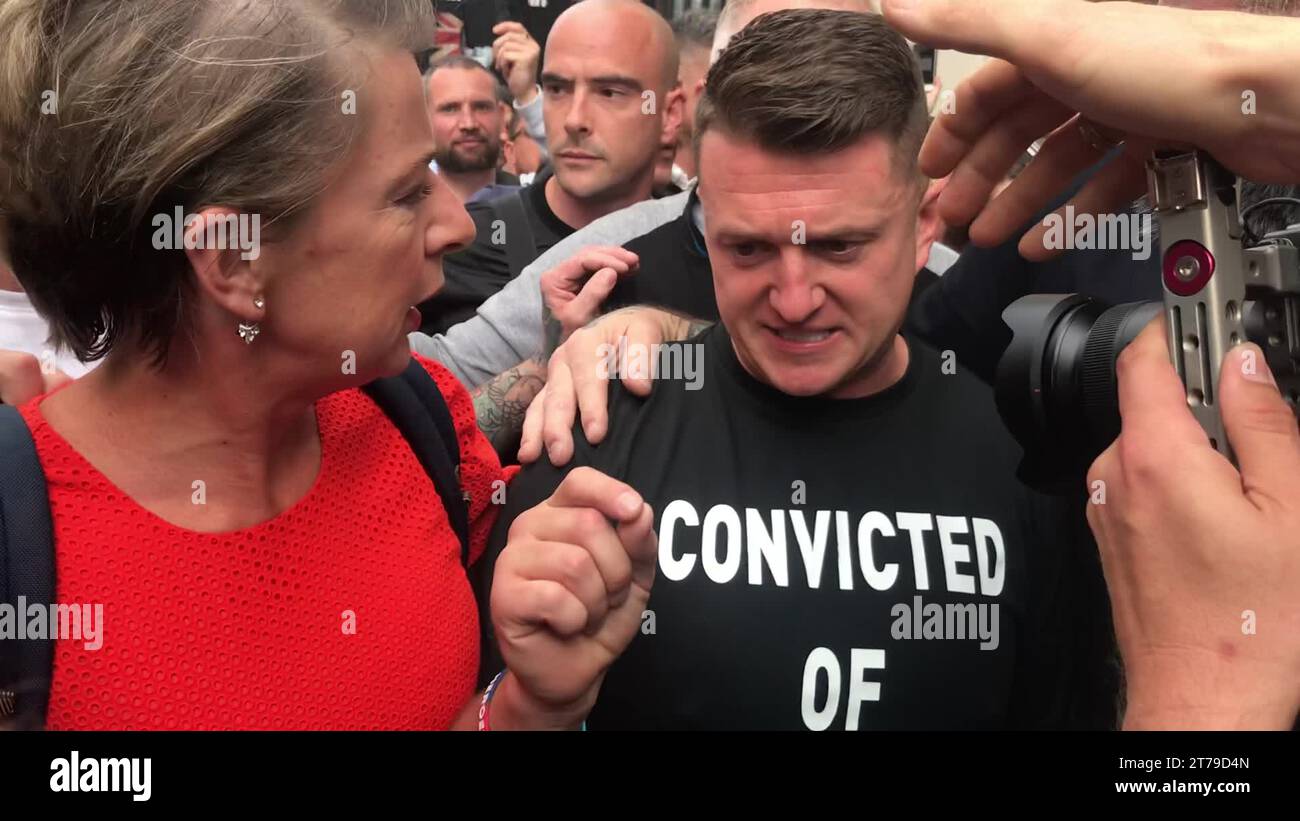 However, her remarks were met with skepticism, particularly regarding the reported turnout. While Hopkins claimed the rally attracted 100,000 attendees, contrasting reports suggested only a handful showed up. This discrepancy has sparked heated debates among political commentators and the general public alike, fueling further division.
 The implications of Hopkins’ statements extend beyond mere attendance figures. They reflect a broader struggle over narratives in contemporary British politics, where figures like Robinson and Hopkins challenge mainstream views. Their supporters see them as champions of free speech, while critics label them as divisive figures.
As the discourse intensifies, the future of political rallies and public demonstrations in the UK remains uncertain. Will figures like Robinson continue to attract fervent support, or will opposition grow stronger in response to their rhetoric? The answers lie in the evolving landscape of British politics, where passion and controversy collide.
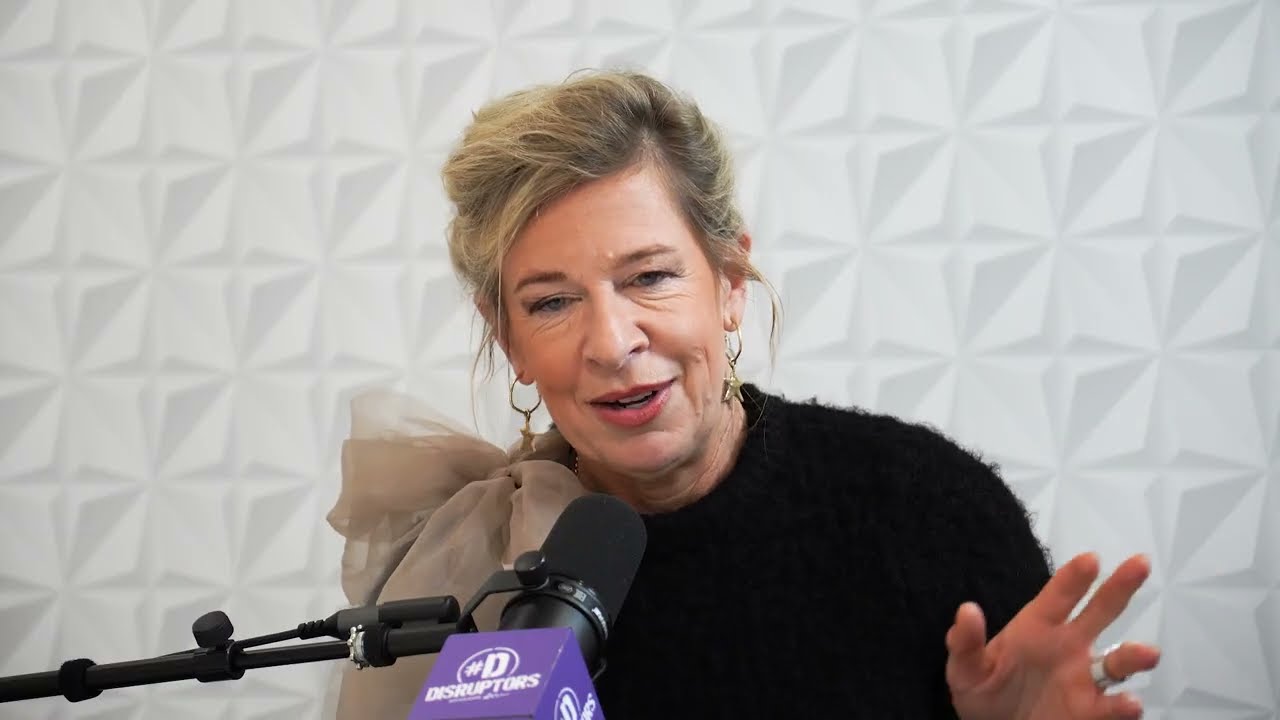 Hopkins’ endorsement of Robinson as a “Robin Hood for the people” further complicates the narrative. It suggests a deep-seated belief among his supporters that he embodies a fight against perceived injustices. Yet, this characterization is contentious, as many view Robinson’s actions as polarizing rather than unifying.
In the wake of Hopkins’ comments, the political climate in the UK is charged with urgency. Citizens are compelled to confront the implications of such rhetoric and the figures who champion it. The coming weeks will be pivotal in determining how these dynamics unfold, as public sentiment continues to shift.
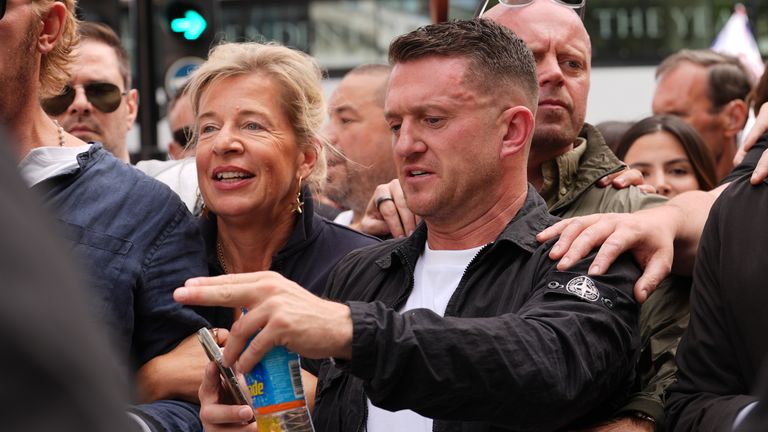 The urgency of this conversation cannot be overstated. As Hopkins and Robinson navigate the complexities of their public personas, the ramifications for British society are profound. The nation watches closely, poised for the next chapter in this unfolding political 𝒹𝓇𝒶𝓂𝒶.