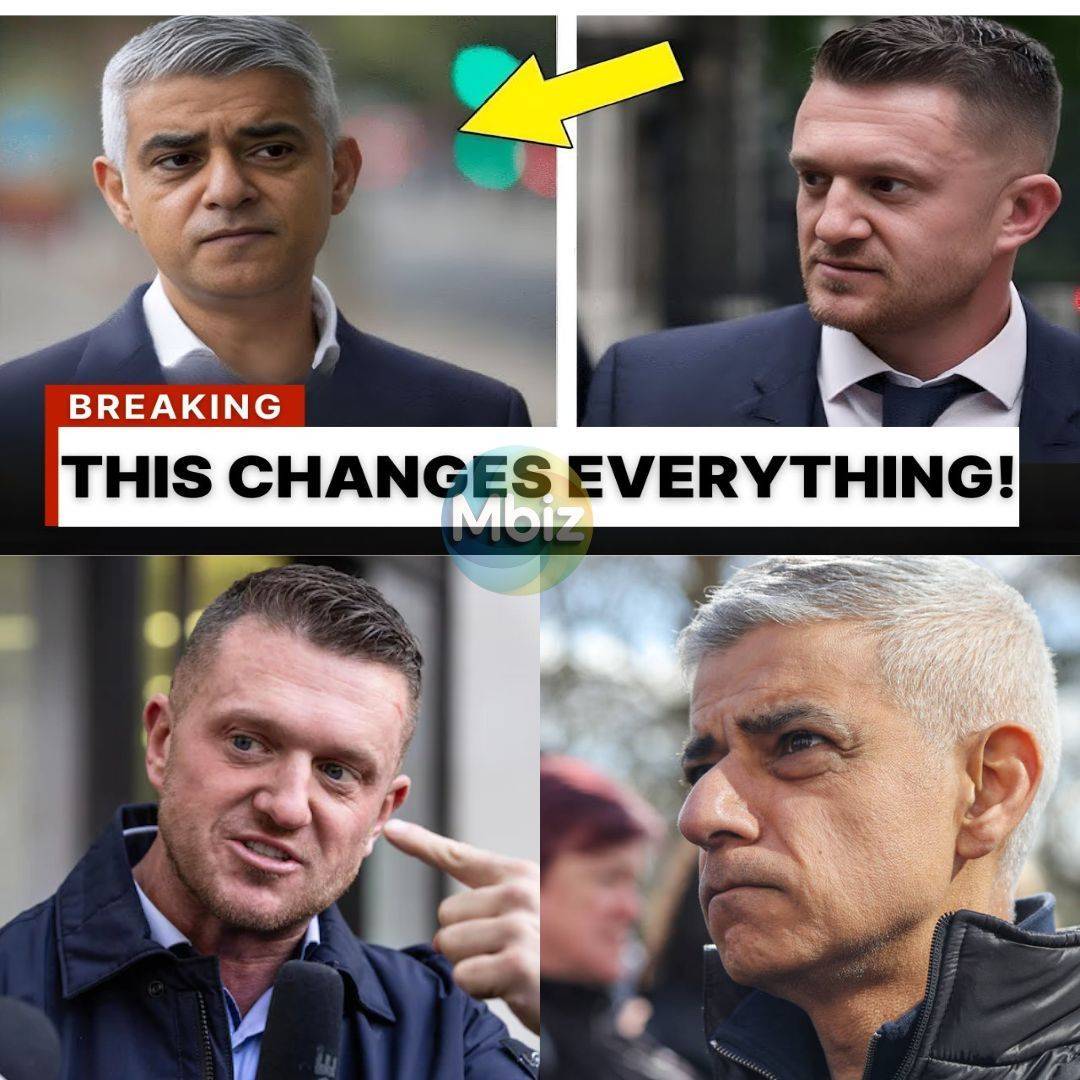
Sadiq Khan was visibly shaken during a heated exchange with Tommy Robinson on live television, where Robinson accused the Mayor of failing to address the alarming presence of grooming gangs in London. The incident has ignited a firestorm of debate, challenging Khan’s leadership and the safety of the capital’s streets.
 Robinson’s comments struck a nerve, quickly spreading across social media and igniting discussions about public safety and the disconnect between Londoners and their leaders. The stark visuals of empty streets and neglected neighborhoods paired with Robinson’s accusations have resonated deeply, forcing many to confront the uncomfortable truths about their city.
Inside City Hall, the fallout is palpable. Sources reveal that Khan is increasingly anxious about the rising tide of dissatisfaction among Londoners. His silence in response to Robinson’s claims has only amplified perceptions that he is out of touch with the realities facing his constituents.
 Critics are demanding answers, questioning whether Khan’s leadership has truly protected London or allowed it to descend into fear and discontent. The public’s frustration is not merely about crime statistics; it’s a broader indictment of governance and accountability in the capital.
Robinson’s video has transcended its initial context, becoming a rallying point for those who feel unheard. Voices across the political spectrum are now weighing in, with even former allies of Khan acknowledging that Robinson’s influence reflects a failure to connect with struggling communities.
As the narrative shifts from policy to perception, Khan’s legacy hangs in the balance. Each day without a response further entrenches the belief that he is insulated from the concerns of ordinary Londoners, risking a political crisis that could reshape the city’s leadership landscape.
 The urgency of the moment cannot be overstated. Londoners are demanding not just words, but concrete actions that demonstrate their leaders are listening and willing to engage with the pressing issues of safety and community trust. The stakes are higher than ever, and the political order of the capital may be at a tipping point.
If Khan fails to address these concerns head-on, he risks losing not just his position but also the confidence of a city yearning for authentic representation. The mounting pressure is palpable, and the implications of this controversy could alter the trajectory of London’s governance for years to come.
 As the public discourse continues to evolve, the question remains: will Khan rise to the occasion, or will he be remembered as the leader who turned a blind eye to the very real fears of his constituents? The clock is ticking, and the city is watching closely.