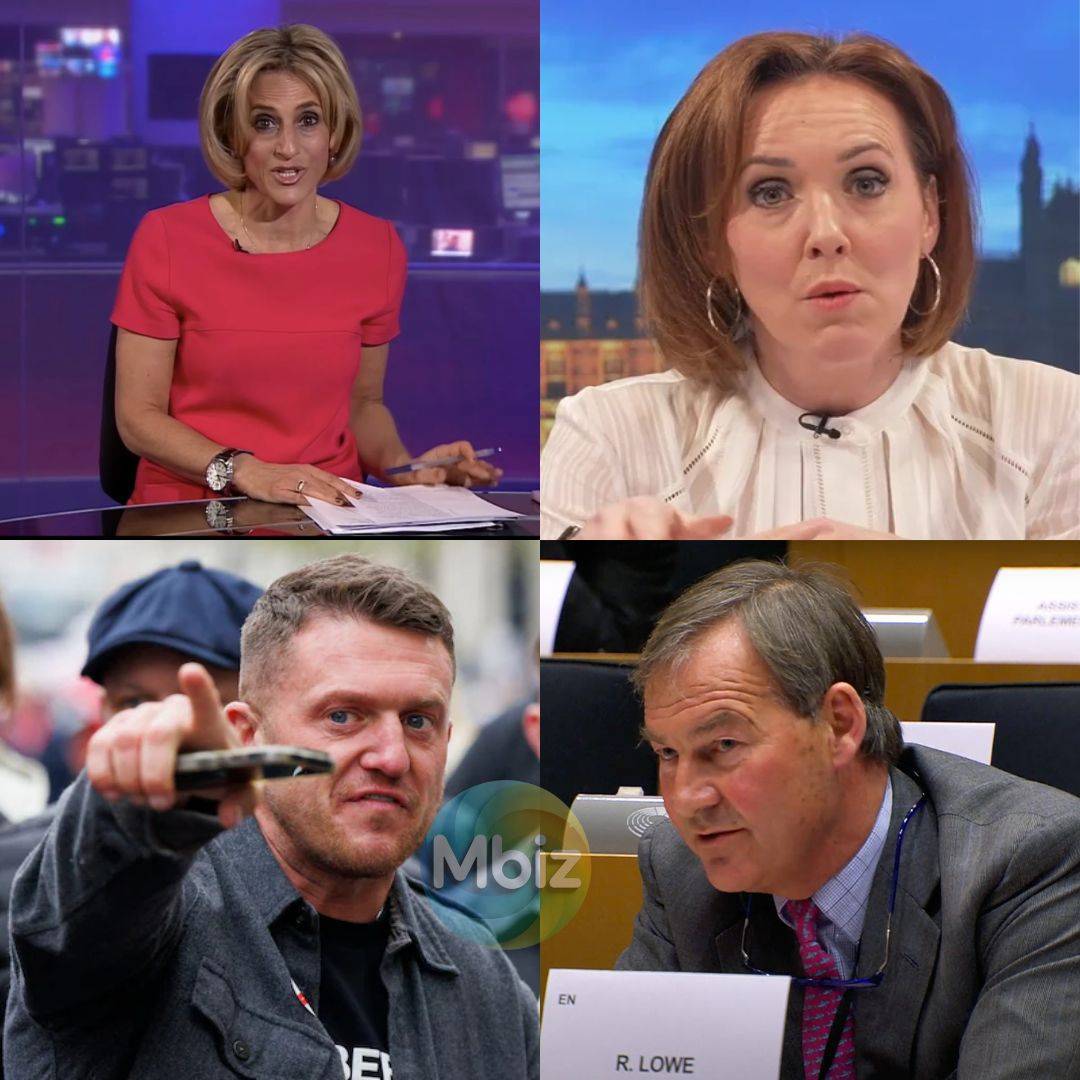
In a fiery exchange on mainstream media, Emily Maitlis and Camilla Tominey faced backlash for labeling activist Tommy Robinson a convicted white supremacist. Their comments ignited outrage, as critics argue they misrepresented Robinson’s views, fueling a heated debate over race, media bias, and the portrayal of controversial figures in the UK.
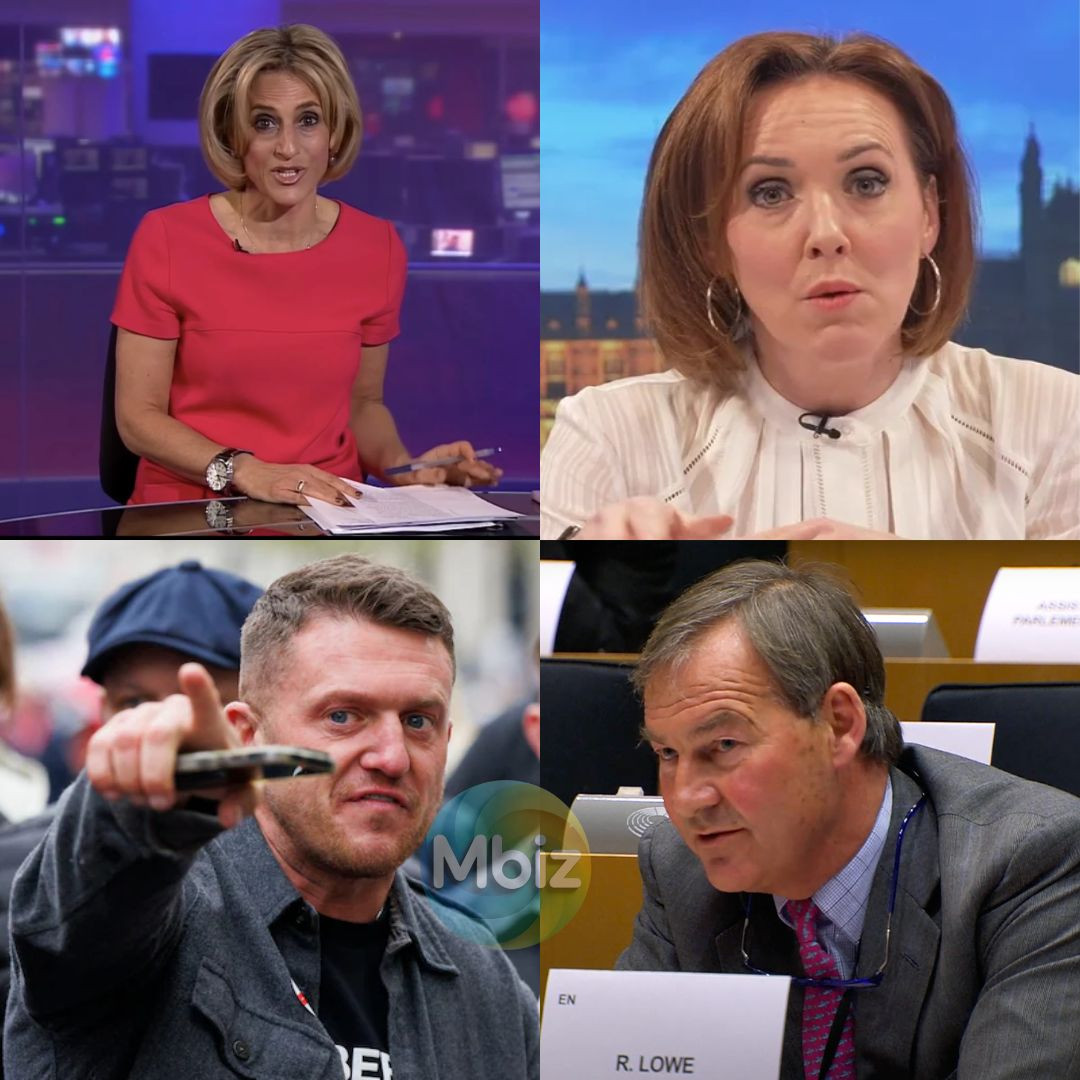 During a recent broadcast, Maitlis accused Robinson of being a criminal and a white supremacist, dismissing any claims of his innocence. This assertion was met with fierce resistance from supporters who claim the media’s portrayal is rooted in bias and misinformation, asserting that Robinson’s activism is mischaracterized.
Kzia Noble, a prominent supporter of Robinson, expressed frustration over the lack of evidence backing Maitlis’s claims. She argued that the media’s relentless labeling of Robinson as far-right and racist only serves to amplify his message, drawing more people to his cause. Noble urged the mainstream media to continue their narrative, as it inadvertently brings more attention to Robinson’s views.
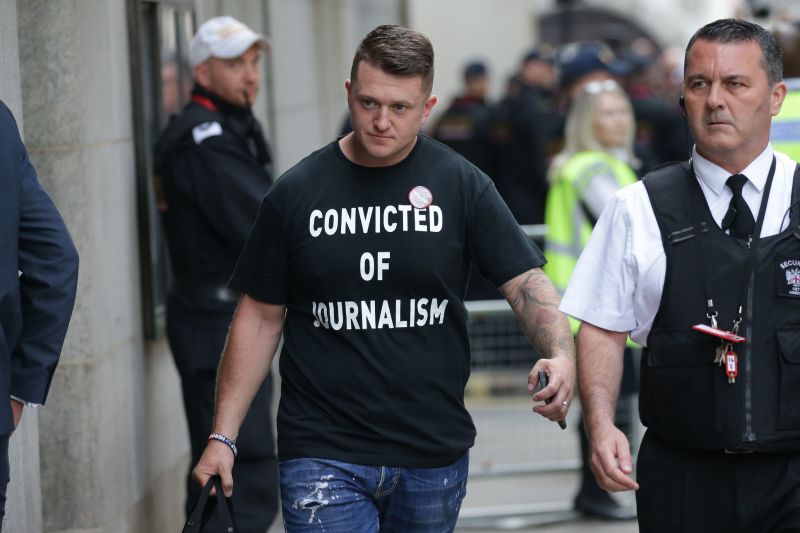 Critics highlighted the irony of the media’s attack on Robinson while ignoring other forms of extremism. They argue that labeling someone as a white supremacist requires concrete evidence, which they claim has not been provided. The discussion has sparked a broader conversation about the boundaries of free speech and the responsibilities of journalists in accurately representing controversial figures.
As the debate rages on, supporters of Robinson argue that the media’s characterization of him fails to acknowledge the complexity of his message. They contend that Robinson’s advocacy for preserving British culture does not equate to racism, challenging the narrative pushed by mainstream outlets.
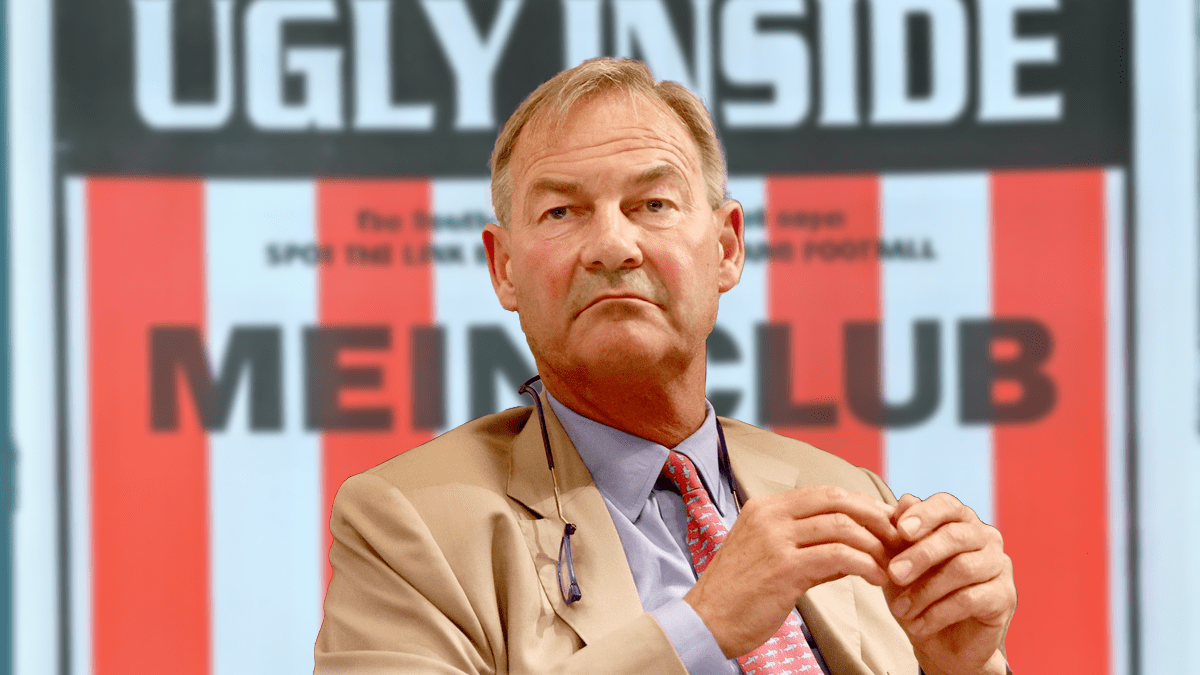 The backlash against Maitlis and Tominey underscores the growing divide in public opinion regarding race, immigration, and the role of the media. As tensions rise, both sides of the debate remain steadfast in their positions, revealing the deep-seated issues surrounding identity and representation in contemporary Britain.
 In the wake of this controversy, many are calling for a more nuanced discussion around these topics, emphasizing the need for factual reporting and open dialogue. The fallout from this incident may have lasting implications for how media outlets approach sensitive subjects moving forward.
As the situation develops, observers are keenly watching how both the media and public figures navigate the complexities of race and activism in an increasingly polarized society. The discourse surrounding Tommy Robinson, Emily Maitlis, and Camilla Tominey is likely to continue evolving, reflecting the broader societal challenges at play.